
Key Takeaways
- Ontario’s municipal drinking water is among the safest and most closely monitored in the world.
- Safe drinking water and better-tasting drinking water are not always the same thing.
- Factors such as chlorine, hard water, aging plumbing, and sediment can affect the water people actually drink in the workplace.
- Bottleless water systems don’t replace municipal treatment. They provide an additional layer of filtration that improves taste, consistency, and convenience.
- Many Ontario businesses choose filtered water to support employee wellness, reduce plastic waste, and eliminate bottled water deliveries.
Ontario’s Tap Water Is Safe. So Why Do Businesses Still Filter It?
Ontario has some of the most comprehensive drinking water regulations in North America. Municipal water is treated, tested, and monitored to meet strict provincial drinking water standards before it reaches homes and businesses.
For most workplaces connected to a municipal water supply, the water is safe to drink.
So why do so many Ontario businesses still choose bottleless water systems?
The answer isn’t that municipal water is unsafe. Instead, many organizations are looking for a better drinking experience. Water can pick up chlorine taste, sediment, or other impurities as it travels through municipal infrastructure and a building’s own plumbing. Even when water meets all safety standards, those factors can affect its taste, odour, and overall quality.
A bottleless water system provides an additional layer of filtration at the point of use, helping deliver water that tastes cleaner and more consistent while eliminating the need to store and replace heavy water jugs.
Safe Doesn’t Always Mean It Tastes Great
When people hear the word “safe,” they often assume every glass of tap water should taste identical.
In reality, taste is influenced by many factors that have little to do with whether the water meets health standards.
Municipal water treatment plants add disinfectants such as chlorine to protect water as it travels through the distribution system. While these disinfectants play an important role in public health, they can also leave a noticeable taste or odour that some people dislike.
Naturally occurring minerals can also influence flavour. Many parts of Ontario have hard water, which contains higher levels of calcium and magnesium. Hard water isn’t considered a health concern, but it can create a different taste and contribute to mineral buildup in appliances.
These differences are normal, but they can affect how much water people actually choose to drink.

Your Building Plays a Bigger Role Than You Might Think
Once treated water leaves the municipal system, it still has one more journey to make.
It travels through underground distribution pipes, enters your building, and moves through your internal plumbing before reaching the tap or water dispenser.
Depending on the building’s age and condition, the plumbing can influence water quality in several ways.
Older pipes may contribute sediment or metallic tastes. Water that sits overnight or over a weekend can develop a stale taste. Fixtures and plumbing materials can also affect the overall drinking experience.
This is why two businesses served by the same municipal water supply can have noticeably different-tasting water.
What Does a Bottleless Water System Actually Do?
One of the biggest misconceptions about water filtration is that it exists because municipal water isn’t safe.
That’s rarely the case in Ontario.
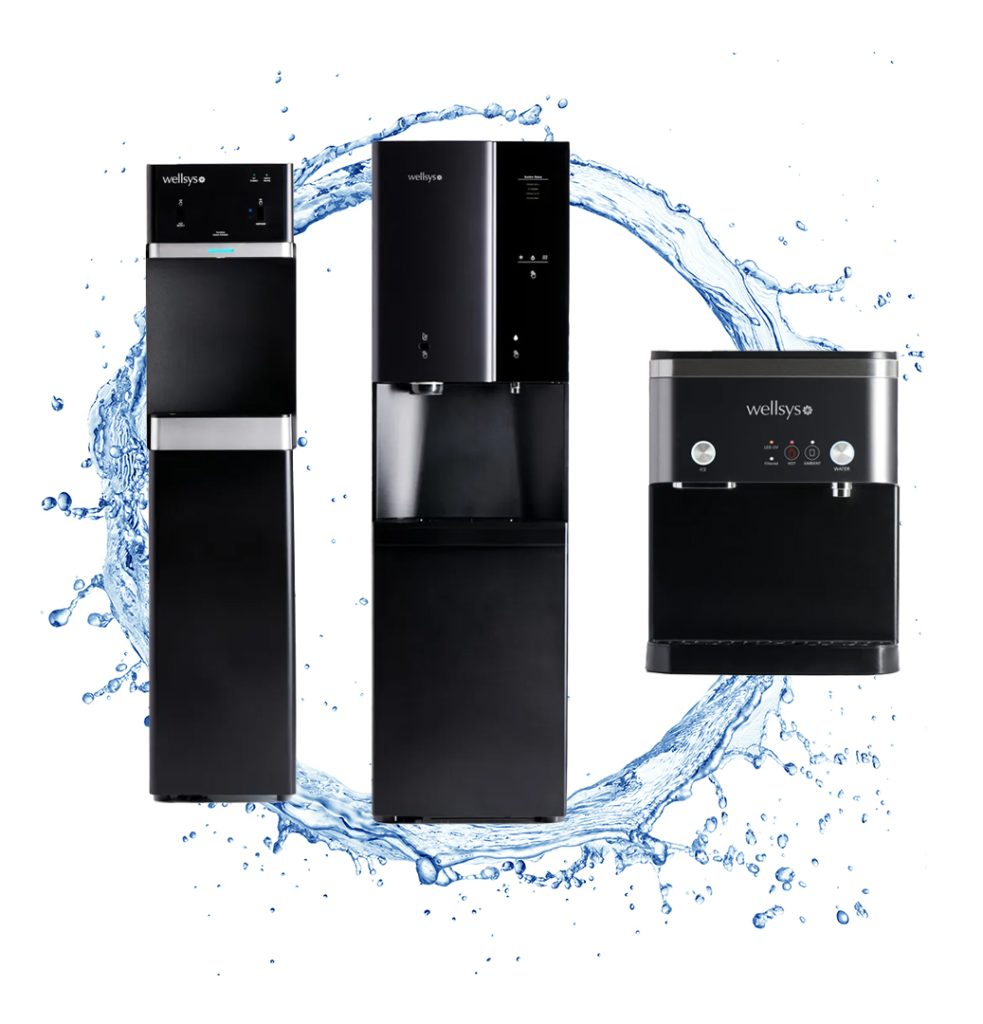
A bottleless water system works with your existing municipal water supply by filtering the water immediately before it’s dispensed.
Depending on the system, filtration may help reduce:
- Chlorine taste and odour
- Sediment
- Rust particles
- Certain organic compounds
- Other substances that affect taste and clarity
Beyond Taste: Other Reasons Businesses Choose Filtered Water
Improving taste is often the first thing people notice, but it’s far from the only reason businesses install bottleless water systems.
Better Hydration
When water tastes better, people are generally more likely to drink it. Providing appealing drinking water can encourage employees to stay hydrated throughout the day.
Less Plastic Waste
Bottleless systems eliminate the need for bottled water deliveries and help reduce plastic waste. Businesses looking to support sustainability initiatives often see this as an easy change with lasting benefits.
No More Heavy Water Bottles
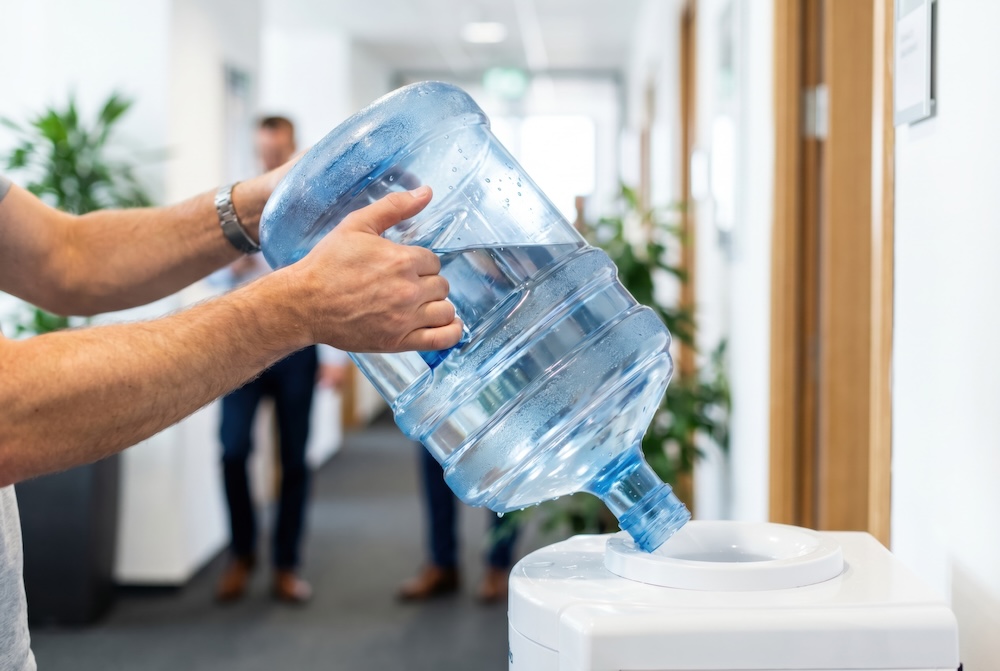
Traditional water coolers require deliveries, storage space, and lifting heavy bottles.
Bottleless systems connect directly to your existing water supply, providing filtered water whenever it’s needed.
Consistent Drinking Water
Rather than waiting for bottle deliveries or worrying about running out of water, businesses have a reliable supply of filtered drinking water throughout the workday.
Does Every Workplace Need Additional Filtration?
Not necessarily.
If you’re happy with the taste of your drinking water and it meets your workplace’s needs, additional filtration may not be a priority.
However, filtration may be worth considering if you notice:
- A strong chlorine taste or smell
- Sediment or cloudy water
- Hard water issues
- Older plumbing
- Frequent bottled water deliveries
- Employees bringing bottled water from home instead of drinking tap water
These situations don’t necessarily indicate unsafe water, but they may affect the overall drinking experience.
Building on Ontario’s High Water Standards
Ontario has earned a reputation for maintaining high drinking water standards, and that’s something businesses can feel confident about.
By improving taste, reducing common aesthetic concerns, and providing a convenient source of filtered water, these systems help businesses offer a better experience for employees, customers, and visitors while reducing their reliance on bottled water.
Frequently Asked Questions
Does filtered water need any maintenance?
Yes. Like any water treatment system, bottleless water systems require routine maintenance to perform at their best. This typically includes replacing filters on a recommended schedule and periodic servicing to ensure the system continues to deliver high-quality drinking water.
Can a bottleless water system be installed in any office?
Most offices can accommodate a bottleless water system as long as there is access to a municipal water line and a nearby electrical outlet. A water specialist can assess your space and recommend the best location and system based on your office layout and water usage.
Can a bottleless water system provide both hot and cold water?
Yes. Many bottleless water dispensers offer chilled and hot water from the same unit, making it easy to fill a reusable water bottle, prepare tea, or make instant soups and other hot beverages without waiting for a kettle to boil.
Contact Pure Water Ontario to learn how a bottleless water system can deliver fresh, filtered water directly from your existing water supply while supporting a healthier, more sustainable workplace.
