
Key Takeaways
- Water supports many of the body’s essential functions, including brain function, circulation, and temperature regulation.
- Even mild dehydration may contribute to fatigue, headaches, reduced alertness, and difficulty concentrating.
- Many people unintentionally drink too little water during the workday due to busy schedules and workplace habits.
- Providing clean, great-tasting drinking water makes it easier for people to stay hydrated throughout the day.
- Bottleless water systems give workplaces a convenient, sustainable way to encourage healthier hydration habits.
Water Does More Than Quench Thirst
Most people know that drinking water is important, but few think about hydration until they feel thirsty.
Throughout the workday, your body relies on water to perform many essential functions. Every conversation, meeting, email, and decision depends on systems that work best when the body is properly hydrated. Water helps transport nutrients, regulate body temperature, lubricate joints, and support normal cellular function. It also plays an important role in helping the brain function normally.
Drinking more water won’t suddenly transform workplace performance overnight. However, research suggests that staying adequately hydrated helps support attention, mood, and overall cognitive function, while dehydration can make it more difficult to feel and perform at your best.
For employers looking to support workplace wellness, encouraging healthy hydration habits is a simple step that can make a meaningful difference.
Why Your Brain Depends on Water
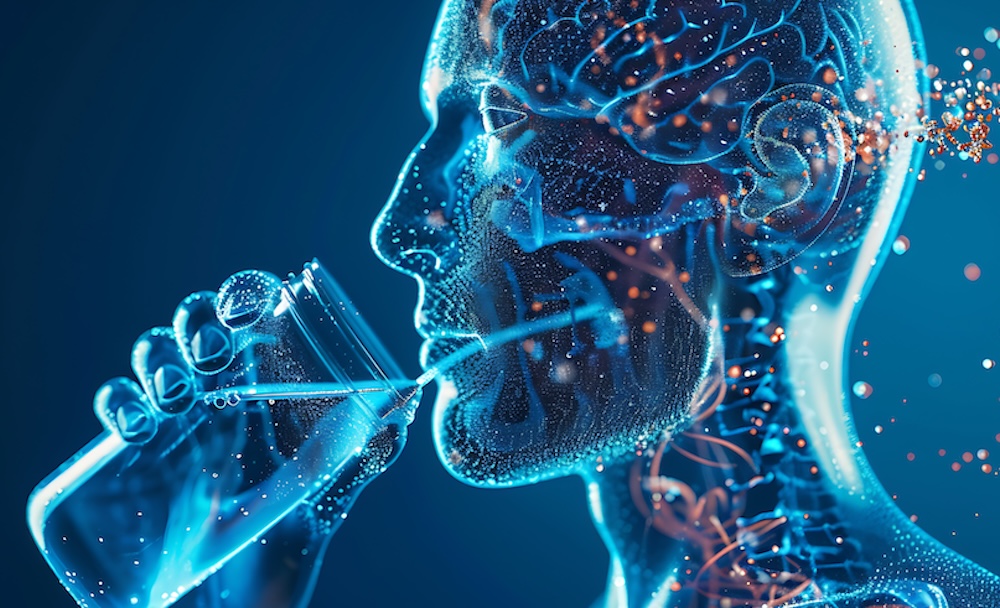
The human brain is made up of approximately 75% water, making hydration essential for normal brain function.
Water helps deliver oxygen and nutrients throughout the body while supporting healthy blood flow. It also helps regulate body temperature and maintain the balance of electrolytes that nerve cells rely on to communicate effectively.
Because the brain depends on these systems, even small changes in hydration can influence how people feel during the day. Researchers have found that mild dehydration may affect mood, alertness, and the ability to maintain attention, although the extent of these effects varies between individuals and the tasks being performed.
Hydration is just one factor that contributes to workplace performance alongside sleep, nutrition, exercise, and stress management, but it remains one of the simplest healthy habits to support.
What Happens When You Don’t Drink Enough Water?
Many people associate dehydration with strenuous exercise or spending time outdoors in hot weather. In reality, mild dehydration can happen during an ordinary workday.
Long meetings, hours spent at a computer, multiple cups of coffee, and simply forgetting to refill a water bottle can all reduce daily water intake.
Signs of mild dehydration may include:
- Headaches
- Fatigue
- Dry mouth
- Reduced alertness
- Difficulty concentrating
- Irritability
- Feeling sluggish
These symptoms can develop gradually, making them easy to overlook. Someone may blame a mid-afternoon slump on a busy schedule when drinking a glass of water could also help them feel better.
Research has found that mild dehydration can negatively affect mood and attention in some people. While the effects on more complex thinking tasks are less consistent across studies, maintaining good hydration supports overall physical and mental well-being.
Why Many Office Workers Don’t Drink Enough Water
Modern office environments often make it surprisingly easy to forget about drinking water.
Some of the most common reasons include:
Busy schedules
When meetings run back-to-back or deadlines are approaching, people often delay taking even a short break to refill a glass of water.
Coffee becomes the default
Many people reach for coffee throughout the day. While coffee can contribute to daily fluid intake, relying on caffeinated beverages alone may mean people simply aren’t drinking enough plain water.
Water isn’t convenient
If drinking water requires walking across the building, changing an empty water jug, or settling for water that doesn’t taste good, many people simply drink less.
Air-conditioned offices
Indoor climate control can contribute to fluid loss without people realizing it, especially during warmer months.
People don’t think about it
Hydration is easy to forget until thirst develops, and thirst often appears after the body has already begun losing water.
The Connection Between Hydration and Workplace Performance
Every workplace wants people to feel focused, energized, and ready to do their best work.
While hydration isn’t a substitute for good sleep, balanced nutrition, or healthy workplace practices, it supports many of the functions people rely on throughout the day.
Staying hydrated may help support:
- Alertness during long meetings
- Sustained attention on detailed tasks
- Overall mood
- Physical comfort
- General health and wellness
For workplaces that promote employee well-being, making drinking water readily available is a practical way to support healthier daily habits.

Why Water Quality Matters
Access to water is only part of the equation.
People are much more likely to drink water when they enjoy it.
If tap water has an unpleasant taste, noticeable odour, or inconsistent temperature, many people choose coffee, soft drinks, or bottled beverages instead. That doesn’t necessarily improve hydration, and it often creates more waste.
Providing clean, filtered water that tastes good removes one of the biggest barriers to staying hydrated.
Bottleless water systems connect directly to a building’s water supply and use advanced filtration to improve taste while reducing many common impurities. They also provide fresh chilled water whenever it’s needed, without waiting for bottle deliveries or storing large water jugs.
When drinking water is convenient and appealing, people are naturally more inclined to drink it throughout the day.
Simple Ways to Encourage Hydration at Work
Supporting hydration doesn’t require a complicated wellness program. Small improvements can encourage healthier habits across the workplace.
Make drinking water easy to access
Conveniently located bottleless water dispensers make it easy for people to refill a glass or reusable bottle without interrupting their day.
Encourage reusable water bottles
Providing reusable bottles or encouraging people to bring their own makes it easier to drink water consistently.
Include water in meeting spaces
Keeping filtered water available in conference rooms encourages people to stay hydrated during longer meetings.
Offer cold, refreshing water
People are generally more likely to drink water that is clean, cold, and tastes good.
Lead by example
When managers and workplace leaders regularly drink water and encourage hydration, it helps reinforce healthy habits throughout the organization.

Hydration Is a Simple Investment in Workplace Wellness
Providing clean, great-tasting drinking water gives people one less reason to skip healthy hydration. It supports comfort, encourages healthier daily habits, and helps create a workplace where people have easy access to one of the body’s most essential resources.
For many organizations, upgrading to a bottleless water system is a practical way to make hydration more convenient while reducing plastic waste, eliminating bottled water deliveries, and providing fresh filtered water every day.
Frequently Asked Questions
How much water should adults drink during the workday?
Everyone’s hydration needs are different and depend on factors such as activity level, age, health, and the environment. Health Canada recommends drinking water regularly throughout the day and making it your beverage of choice to stay hydrated.
Does coffee count toward hydration?
Yes. Coffee and tea contribute to your daily fluid intake. However, water remains the best choice for staying hydrated because it contains no added sugar or calories.
Can dehydration really affect concentration?
Research suggests that even mild dehydration may affect alertness, attention, and mood in some people. While hydration is only one factor that influences cognitive performance, drinking enough water helps support normal brain function and overall well-being.
Help Your Workplace Stay Hydrated
Making hydration easy starts with making great-tasting water readily available.
Pure Water Ontario helps businesses provide clean, filtered drinking water with bottleless water systems that eliminate bottle deliveries, reduce plastic waste, and give your team convenient access to fresh water throughout the workday.
