Key Takeaways
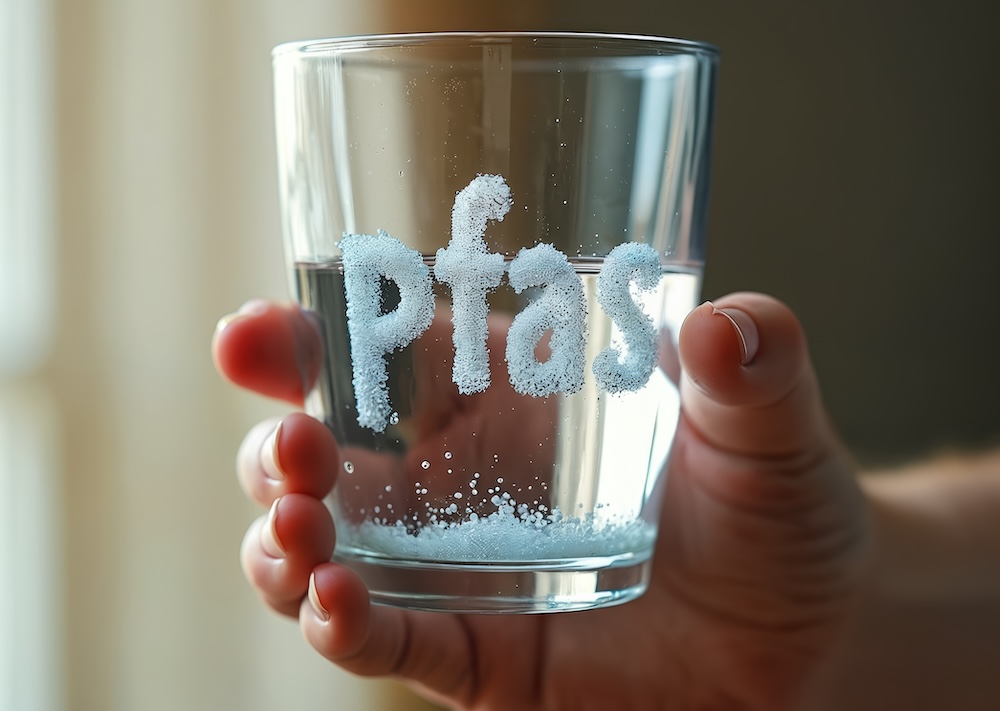
- PFAS, often called “forever chemicals,” are now one of the biggest concerns in drinking water across North America.
- Health Canada introduced an interim drinking water objective of 30 ng/L for the combined total of 25 PFAS compounds.
- PFAS exposure has been linked to health concerns involving the immune system, thyroid, liver, cholesterol levels, and certain cancers.
- Businesses are beginning to look at water quality as part of workplace wellness, employee trust, and long-term risk management.
- Many SMBs assume that municipal water alone removes all contaminants of concern, but PFAS treatment standards and monitoring continue to evolve.
- Modern bottleless water systems with advanced filtration can help reduce contaminants while giving employees better access to cleaner, better-tasting drinking water.
Clean drinking water is something most people expect at work. Employees fill their water bottles, make coffee in the break room, and use the kitchen tap every day without questioning what is coming out of it.
That assumption has started to change. Across Canada, more businesses and municipalities are paying closer attention to water quality concerns tied to PFAS, a group of chemicals linked to long-term environmental and health risks.
PFAS are not a new issue, but awareness around them has grown significantly in recent years. Public health agencies, researchers, and regulators are continuing to study how these chemicals move through water systems and what prolonged exposure could mean for communities and workplaces alike.
For businesses, the conversation goes beyond water alone. It raises questions about workplace wellness, employee confidence, environmental responsibility, and the quality of the resources people rely on every day.
This blog explores why PFAS have become such an important topic and why many organizations are taking a closer look at the water their teams drink at work.
What Are PFAS?
PFAS stands for per- and polyfluoroalkyl substances, a large group of synthetic chemicals used in manufacturing since the 1940s.
They were designed to resist heat, grease, water, and stains, which made them useful in products like:
- Non-stick cookware
- Waterproof clothing
- Food packaging
- Firefighting foam
- Industrial coatings
- Cleaning products
The challenge is that PFAS don’t break down easily. Once released into the environment, they can remain in water and soil for years. That persistence is why they are often called “forever chemicals.”
Some PFAS compounds have been phased out or restricted, but contamination from past use continues to affect water systems globally.
Why PFAS in Drinking Water Are Getting More Attention
For years, many contaminants were difficult to detect at extremely low concentrations. Advances in testing technology have changed that.
Scientists can now measure PFAS at tiny levels measured in parts per trillion. Research into long-term exposure has also expanded, leading regulators to revisit acceptable limits.
In Canada, Health Canada introduced a drinking water objective of 30 ng/L for the sum of 25 PFAS substances and recommends concentrations remain “as low as reasonably achievable.”
Public Health Ontario also noted that both Health Canada and the U.S. EPA updated PFAS drinking water guidance in 2024 as scientific understanding continues to evolve.
This matters because PFAS exposure does not come from a single source. People may encounter these substances through food packaging, consumer products, dust, and drinking water. Water becomes especially important because it is consumed consistently over long periods.
What This Means for SMBs
Many small and mid-sized businesses don’t conduct water quality reviews regularly. Many assume that municipal water treatment automatically handles every emerging contaminant issue.
Municipal systems in Canada are highly regulated and generally safe, but PFAS pose a more complex challenge because they require specialized treatment methods.
Business owners already think carefully about indoor air quality, ergonomics, sanitation, cybersecurity, and employee wellness programs. Drinking water increasingly belongs in that same conversation.
Employees spend a large portion of their week at work. If the water tastes unpleasant or raises concerns about contaminants, people notice. Some drink less water throughout the day. Others switch to sugary beverages or disposable bottled water.
Neither outcome is ideal for workplace health.
The Link Between Hydration and Workplace Performance
Hydration plays a larger role in workplace performance than many businesses realize.
Research published in the Journal of the Academy of Nutrition and Dietetics found that dehydration can negatively affect executive function, attention, and working memory.
Additional research has shown that even mild dehydration may affect concentration, alertness, reaction time, and mood.
This doesn’t mean water quality issues automatically cause productivity problems. The connection is more indirect and practical.
When employees trust the drinking water available to them, they are more likely to stay hydrated throughout the day. Better hydration supports focus, comfort, and overall wellness.
On the other hand, if employees avoid office water entirely, businesses often see:
- Increased personal bottled water use
- More cases of bottled water purchased for the office
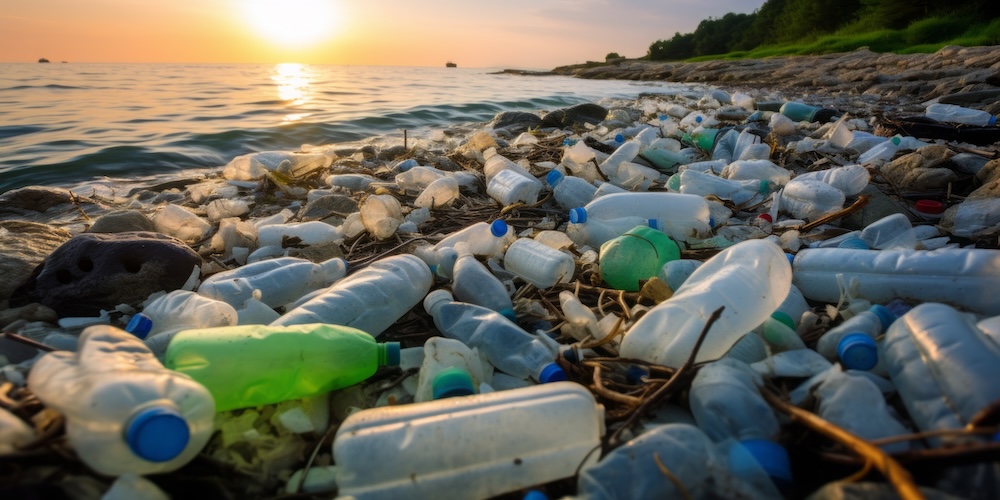
- More plastic waste
- Reduced confidence in workplace cleanliness and care
Over time, these concerns can influence how employees feel about the workplace as a whole.

The Growing Liability Conversation
PFAS discussions are increasingly appearing in legal and regulatory conversations across North America.
Large lawsuits involving manufacturers and municipal contamination have already made headlines in both Canada and the United States. Regulatory standards continue shifting as new research becomes available.
For SMBs, the issue is not about immediate legal exposure from office tap water. It is more about understanding how expectations around workplace health are changing.
Employees today pay closer attention to environmental health topics than they did a decade ago. Questions around water quality, filtration, and sustainability are becoming more common during office renovations and wellness discussions.
Businesses that proactively evaluate workplace drinking water are often viewed as organizations paying attention to employee well-being rather than simply reacting when concerns surface later.
Why Bottled Water Is Not Always the Best Answer
Many offices turned to bottled water years ago as a simple solution.
At first glance, it seems convenient:
- Delivery arrives automatically
- Employees trust the source
- There is no installation process
Over time, though, the drawbacks become harder to ignore.
Bottle deliveries require storage space. Empty bottles pile up quickly. Costs fluctuate. Plastic waste increases. Employees may still not know much about the water filtration standards.
Over time, some businesses find that bottled water delivery no longer aligns with their goals around sustainability, convenience, or workplace experience.
That is one reason more Canadian businesses are exploring bottleless water systems for their offices.
How Bottleless Water Systems Fit Into the Conversation
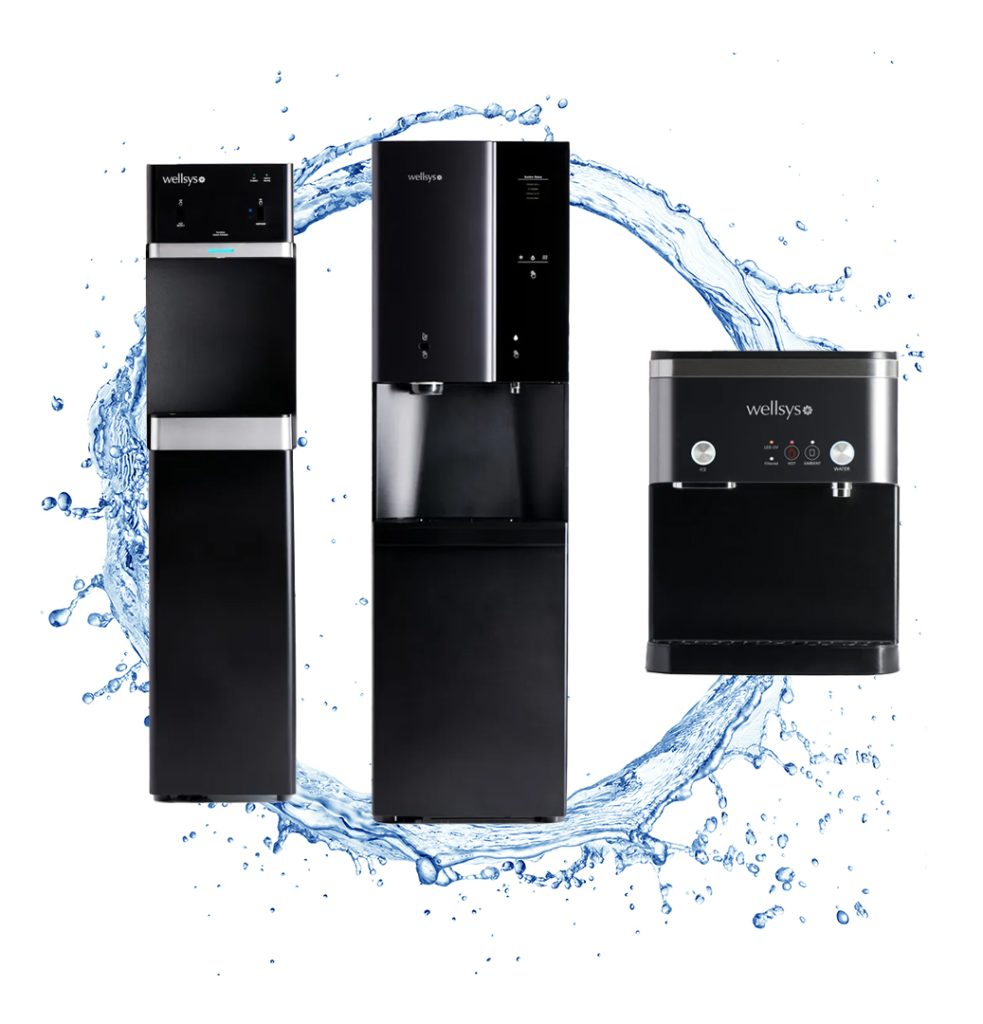
Bottleless water systems connect directly to a building’s water supply and use advanced filtration technology to improve water quality and taste.
Depending on the system and filtration setup, treatment may include:
- Carbon filtration
- Sediment filtration
- Reverse osmosis
- UV purification
Certain filtration technologies, particularly reverse osmosis systems, are widely recognized for helping reduce PFAS compounds in drinking water.
The value of a bottleless water system often extends beyond contaminant reduction alone.
Businesses also appreciate:
- Consistent access to drinking water
- Reduced plastic waste
- Fewer delivery logistics
- Better-tasting water
- A cleaner, more modern kitchen or breakroom setup
In many offices, improving drinking water becomes part of a broader workplace experience discussion.
Why Employees Notice Water More Than Business Owners Think
Workplace details shape culture in subtle ways.
Employees notice when coffee tastes strange. They notice when water dispensers sit empty. They notice when the tap water smells heavily chlorinated.
Water is one of the few shared resources every employee interacts with throughout the day. That makes it surprisingly tied to workplace perception.
A thoughtfully designed breakroom with accessible, good-tasting filtered water sends a very different message than a cluttered corner stacked with empty water jugs.
For SMBs competing for talent, retention, and employee satisfaction, those details matter.
Rethinking Workplace Water
SMBs have enough to manage without adding another complicated issue to the list.
Still, PFAS awareness has changed how many businesses think about drinking water in the workplace. Employees are more informed about environmental health concerns, and expectations around workplace wellness continue evolving.
For many organizations, reviewing water quality and filtration options is becoming part of efforts to create a healthier, more thoughtful workplace environment.
Sometimes the conversation starts with PFAS. Other times, it starts with taste, convenience, sustainability, or reducing bottled water waste.
Either way, businesses across Canada are taking a closer look at the water coming from the office tap.
FAQs
Are PFAS found in all tap water?
Not necessarily. PFAS contamination varies by region, water source, and local environmental conditions. Testing and monitoring practices also differ between municipalities.
Can boiling water remove PFAS?
No. Boiling water does not remove PFAS and may concentrate some contaminants further as water evaporates.
What filtration methods are commonly used to reduce PFAS?
Reverse osmosis and certain activated carbon filtration systems are among the most discussed options for reducing PFAS in drinking water.
Should offices test their water for PFAS?
Some businesses choose to test based on location, building history, employee concerns, or broader wellness initiatives. Testing requirements and recommendations vary depending on the situation.
Looking for a Better Workplace Water Solution?
Pure Water Ontario helps businesses across Ontario upgrade to high-performance bottleless water coolers that deliver clean, great-tasting water without heavy bottles, delivery hassles, or unnecessary waste.
Learn more about bottless workplace water solutions at Pure Water Ontario.
