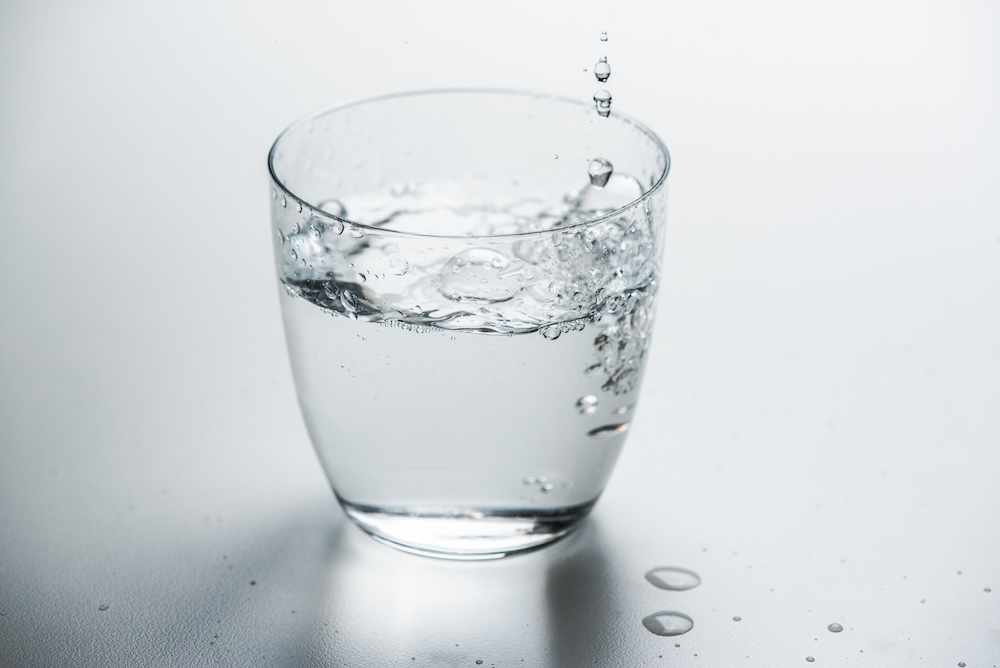
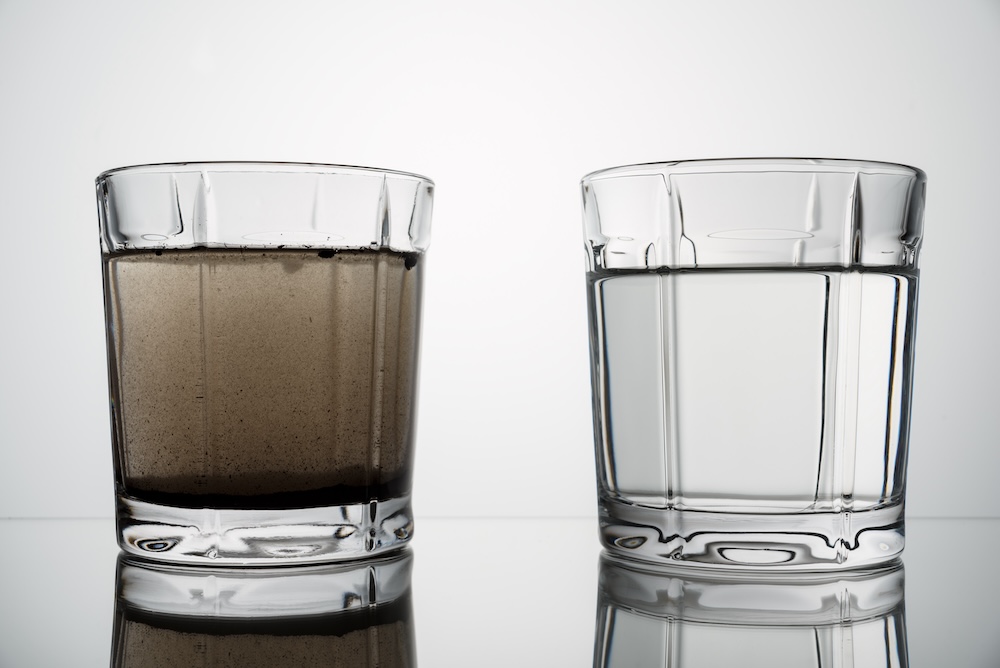
Most tap water is treated before it reaches homes and businesses, but that doesn’t always mean it arrives in its cleanest or best-tasting form. Along the way, water can pick up sediment, chemicals used in municipal treatment, and trace contaminants from aging infrastructure. While tap water may meet safety standards, many people still notice unpleasant taste, odor, or inconsistency.
That is where multi-stage filtration comes in. Instead of relying on a single filter to handle every issue, multi-stage systems treat water step by step, removing different types of contaminants at each stage. For bottleless drinking water dispensers, this approach delivers clean, consistent water directly from the tap, without the need for bottles, storage, or deliveries.
In this blog, we’ll walk through how 5-stage reverse osmosis filtration works, from the moment water enters the system to the moment it fills your glass.
Why One Filter Is Not Enough
Water quality challenges are not one-dimensional. Some issues are easy to see, like sediment or rust particles. Others are invisible, such as dissolved minerals, chlorine byproducts, or trace metals. A single filter, no matter how well designed, can’t effectively address every type of contaminant.
This is why basic pitcher filters or faucet attachments often improve taste but leave other concerns untouched. They may reduce chlorine but do little to remove dissolved solids or heavy metals. Over time, they can also clog quickly, reducing performance and consistency.
Multi-stage filtration works differently. Each filter is designed for a specific job, and each stage prepares the water for the next. The result is cleaner water, better taste, and a system that performs reliably over time.
What Multi-Stage Filtration Means
Multi-stage filtration refers to a process where water passes through several filters in a specific sequence. Each stage targets a different category of contaminants, starting with the largest particles and ending with microscopic impurities.
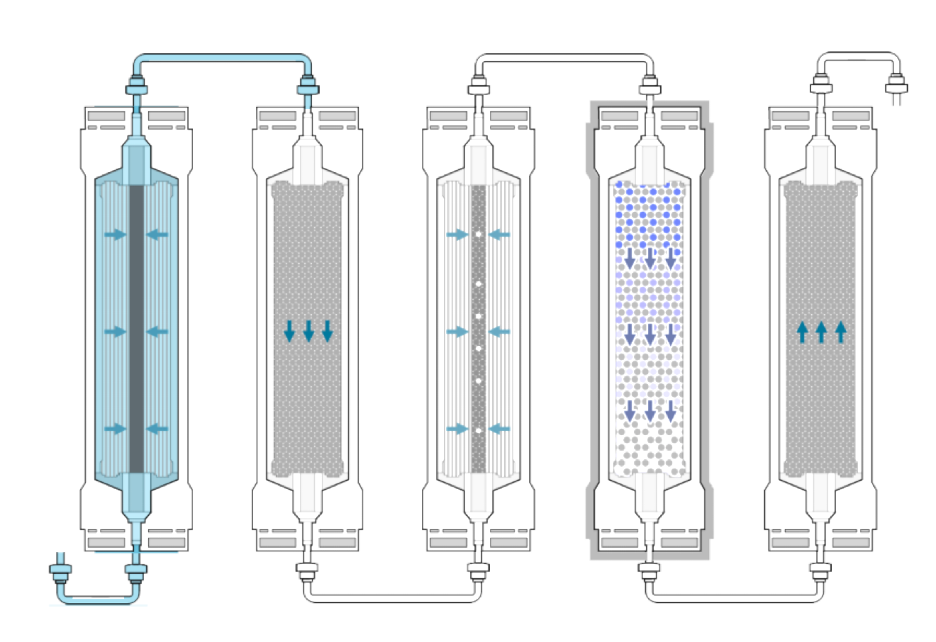
In a 5-stage reverse osmosis system, these stages typically include sediment removal, carbon filtration, reverse osmosis membrane filtration, and final polishing. The order matters. By removing larger particles and chemicals early, the system protects its most advanced components and maintains consistent performance.
This layered approach is what allows bottleless water dispensers to deliver high-quality drinking water day after day.
Stage 1: Sediment Filtration
The First Line of Defense
The first stage focuses on removing visible particles from the water. This includes dirt, sand, rust, and other debris that may be present in municipal water supplies or introduced through pipes.
While these particles may not always pose a health risk, they can affect water clarity and damage downstream filters if left untreated. Sediment filtration protects the rest of the system by preventing clogs and reducing wear on more sensitive components.
This stage also plays an important role in system longevity. By capturing larger particles early, it helps extend the life of the carbon filters and reverse osmosis membrane that follow.
Stage 2: Pre-Carbon Filtration
Reducing Chlorine and Improving Taste
Once sediment is removed, water flows into the pre-carbon filter. This stage uses activated carbon to reduce chemicals commonly added during municipal water treatment.
Chlorine and chloramine are effective disinfectants, but they often cause unpleasant taste and odor. Carbon filtration significantly reduces these compounds, resulting in water that smells and tastes cleaner.
This stage also removes many volatile organic compounds, which can enter water supplies through industrial runoff or household sources. Just as important, pre-carbon filtration protects the reverse osmosis membrane by removing chlorine, which can degrade the membrane over time.
For many users, this is the stage where they notice an immediate improvement in water quality.
Stage 3: Reverse Osmosis Membrane
The Heart of the System
The reverse osmosis membrane is the most advanced component in the filtration process. It works by forcing water through a semi-permeable membrane that allows water molecules to pass through while blocking dissolved contaminants.
This stage removes a wide range of impurities, including heavy metals, dissolved salts, fluoride, nitrates, and other total dissolved solids. These contaminants are often too small for standard filters to capture, which is why reverse osmosis is widely regarded as one of the most thorough filtration methods available.
Reverse osmosis operates at a molecular level. Instead of trapping particles, it separates clean water from dissolved contaminants, which are then flushed away. The result is water that is significantly purer than what most single-filter systems can achieve.
There is a common misconception that reverse osmosis removes everything from water. In reality, it removes unwanted dissolved solids while leaving water clean, neutral, and ready for final polishing. The system is designed to balance purity with practicality for everyday drinking.
Stage 4: Post-Carbon Filtration
Final Taste Polishing
After passing through the reverse osmosis membrane, water enters the post-carbon filter. This stage serves as a finishing step, ensuring that any remaining taste or odor is removed before the water reaches the dispenser.
Even after intensive filtration, water can absorb subtle flavors from storage or internal components. Post-carbon filtration ensures consistency, delivering water that tastes clean and smooth every time.
Stage 5: Final Conditioning or Polishing
Completing the Process
The fifth stage varies slightly depending on the system design, but its purpose remains the same: to provide an added layer of assurance before water is dispensed.
In many systems, this stage includes additional carbon filtration or final conditioning to ensure optimal taste and quality. It acts as a safeguard, reinforcing the system’s ability to deliver reliable results even with changes in incoming water conditions.
By the time water completes this stage, it has passed through multiple layers of protection, each one addressing a specific concern.
How This Filtration Works Inside a Bottleless Water Dispenser
In a bottleless water dispenser, the entire filtration process is built directly into the unit. Water connects to an existing supply line, moves through the five filtration stages, and is delivered on demand.
This setup eliminates the need for bottled water deliveries, storage space, and manual handling. It also ensures a continuous supply of filtered water, whether users prefer it cold, hot, or room temperature.
Because filtration happens at the point of use, water quality remains consistent. There is no risk of bottles sitting for weeks or being exposed to temperature changes and contaminants.
Long-Term Benefits of Multi-Stage Reverse Osmosis Filtration
A multi-stage reverse osmosis system offers more than just clean water. It provides predictability and confidence.
Users benefit from consistent taste, which often encourages better hydration throughout the day. Maintenance is straightforward, with scheduled filter replacements that keep performance steady over time.
From an environmental perspective, bottleless systems reduce reliance on single-use plastics and minimize transportation waste associated with bottled water delivery. For businesses, this translates into a cleaner workspace and fewer logistical concerns.
Choosing the Right System for Your Space
Selecting the right bottleless water dispenser depends on usage volume, the number of users, and the environment where it will be installed. Offices, healthcare facilities, and public spaces all have different demands.
Professional installation and regular servicing ensure the system performs as intended. Ongoing support also helps maintain water quality and protects the investment over the long term.
From Tap to Trustworthy Water
Multi-stage reverse osmosis filtration transforms ordinary tap water into a dependable source of clean drinking water. Each stage plays a specific role, working together to remove sediment, chemicals, and dissolved contaminants.
When integrated into a bottleless water dispenser, this filtration approach delivers convenience, consistency, and confidence. From the first drop to the last, the process is designed to ensure that every glass meets a higher standard of quality.
